
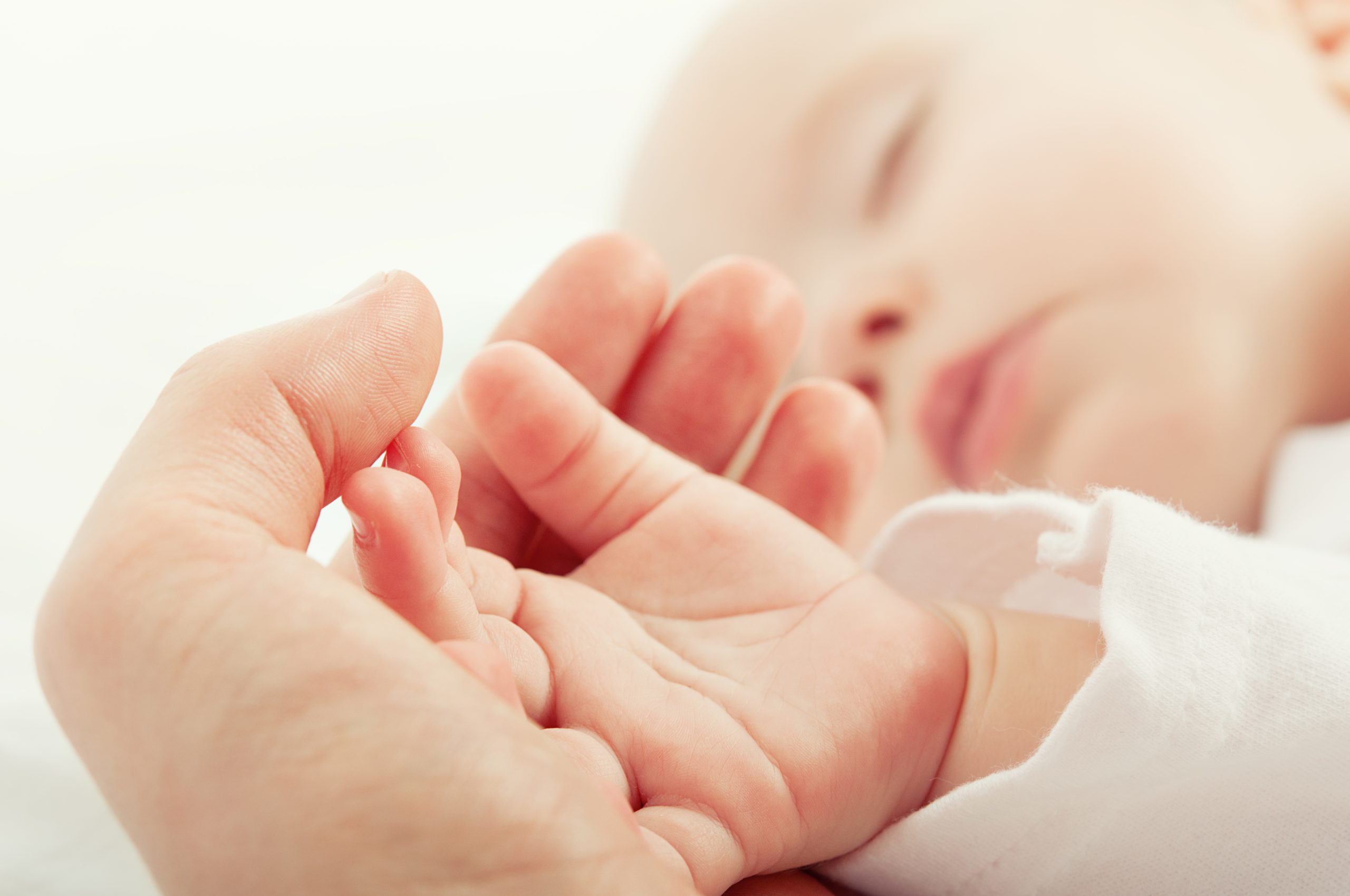
How skin-to-skin contact can help your baby (and you!) thrive in the early days
It’s about more than just getting in some cute cuddles with your newly arrived little one. Skin-to-skin contact is a simple act that helps transition & prepare them for life outside the womb both emotionally & physically—helping them thrive in those early days. Below, you’ll discover 7 of the most important reasons for providing skin-to-skin contact for your newborn.
What is skin-to-skin contact?
Skin-to-skin contact, also known as “Kangaroo Care,” is the simple act of holding your naked baby against your bare chest. You’ll have a blanket or cloth covering both of you and possibly a diaper or hat on your baby. It’s a technique that was first developed in Colombia, where it was used to help premature babies thrive. Since then, it has become a standard practice in many hospitals and birthing centers around the world.
Who provides skin-to-skin contact & when?
Skin-to-skin contact is typically done immediately after birth and can continue for as long as you and your baby are comfortable. The first hour is called the “Golden Hour” because that is often the most important time to do it.
Your baby will be placed directly on your chest with their head turned to the side. A cloth or blanket can be used to cover both of you and keep you warm. You can sit in a chair or recline in bed while holding your baby skin-to-skin. Sometimes, due to medical procedures, you can’t provide “Kangaroo Care” until after the Golden Hour—that’s okay, just try to do it as soon as you can. It’s also not limited just to immediately after birth—continue providing this connection well after you’ve arrived home!
While it’s best for the mother to initiate skin-to-skin contact for the breastfeeding benefits (we’ll talk about that later) If she can’t hold the baby due to a C-section or other procedure, the partner should step in. Even if the mother can do it, it’s important for fathers & other parents to also have skin-to-skin contact, which can help strengthen their bond with the baby.
The Importance of Skin-to-Skin Contact for Your Newborn
Promotes breastfeeding
Skin-to-skin contact has been shown to help promote breastfeeding by initiating the baby’s natural reflexes to find the nipple and latch on effectively. According to a study published in the Journal of Obstetric, Gynecologic, and Neonatal Nursing, skin-to-skin contact during the first hour of life increases the likelihood of exclusive breastfeeding at six months.
Regulates body temperature
Newborn babies are unable to regulate their body temperature, which means they can quickly become too cold or too hot. According to a study published in the Journal of Pediatrics, skin-to-skin contact helps regulate a baby’s body temperature, as the mother’s body heat can help warm the baby up or cool them down as needed during the early postnatal period.
Reduces the stress of being born
Being born is a stressful experience for a baby. Skin-to-skin contact can help reduce this stress by providing the baby with a sense of security and comfort. The mother’s heartbeat and breathing patterns can also help soothe the baby and make them feel more relaxed. A study published in the Journal of Pediatric Psychology shows that skin-to-skin contact can reduce the baby’s cortisol levels (a hormone associated with stress.)
Improves immune function
There are a lot of beneficial bacteria on your skin. By holding your baby skin-to-skin, you transfer this healthy bacteria to them which can help boost their immune system. A study published in “Pediatrics” found that skin-to-skin contact can lead to a significant increase in the number of immune cells present in the baby’s bloodstream.
Stabilizes breathing and heartbeat
When a baby is held to your naked chest, they are better able to regulate their breathing and heart rate, which can be irregular in the first few hours after birth. Acta Paediatrica published a study that also found that skin-to-skin contact can lead to a decrease in the incidence of apnea (temporary cessation of breathing) and bradycardia (abnormally slow heart rate) in premature babies.
Eases the transition to life outside the womb
The warmth, smell & sound of the mother’s body is familiar to the baby (who just spent 9 months with her!) This familiarness doesn’t go away after being born. So being so close to her, it can help them feel more secure and calm. And the best part is that it can also help reduce crying as shown by a study published in the Journal of Perinatology.
Increases parent-baby bonding
Perhaps the most important benefit is the increased bonding between parent and baby. The closeness and physical contact involved in skin-to-skin can help build a strong attachment between parent and baby. This bond can have long-lasting effects on the baby’s social, emotional, and cognitive development, as well as on the parent’s mental health. A study published in Early Human Development found that skin-to-skin contact can lead to a decrease in symptoms of postpartum depression in mothers.
Whether you are the biological mother, father or any type of parent, it’s important to spend time providing skin-to-skin contact with your newborn. Not only will you enjoy those sweet, precious moments, but you’ll be helping your baby make their worldly debut as easily and healthily as possible. If you’re expecting a baby, be sure to talk to your healthcare provider about skin-to-skin contact and how you can incorporate it into your postpartum routine.